
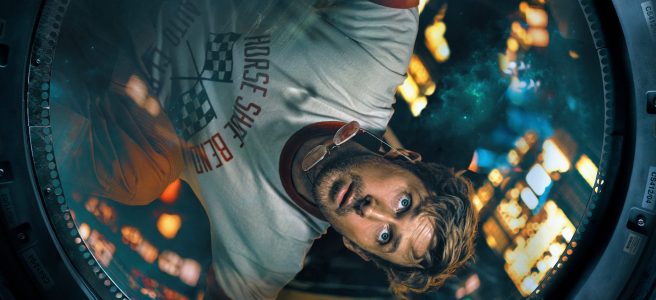
What makes a movie star? In the simplest terms, it’s an actor who can get people to go see their movies based on their presence alone. For most of Hollywood’s history, movie stars were the engine used to get people to the theater. You had to see the new Cary Grant movie, the new Meryl Streep movie, the new Robert de Niro movie, or the new Tom Hanks movie.
These days, intellectual properties (IP) tend to be the new movies stars. People go to the movies to see Captain America and the Hulk, not necessarily Chris Evans, Anthony Mackie, or Mark Ruffalo. Franchises are the draw now – Marvel, DC, Star Wars, Jurassic Park, Minecraft, Super Mario. Of course, these movies aren’t made without stars, but you go to the Super Mario movie for Mario and Luigi, not Chris Pratt and Charlie Day.
Movie stars aren’t extinct by any means. Young actors like Timothee Chalamet, Zendaya, Robert Pattinson, Tom Holland, Emma Stone, Michael B. Jordan, and plenty others can still sell a movie and get people to the theater. But I’d argue that one of our biggest movie stars today has steadily risen over the last three decades and in many ways has gone under appreciated – none other than Canada’s own Ryan Gosling.

This year, Gosling starred in Project Hail Mary, one of the biggest hits of the year and a rare win for a somewhat original movie (it’s based on a book by Andy Weir, but isn’t a sequel, remake, or reboot of any existing franchise). It was a huge success both critically and commercially, and the whole movie really sits on Gosling’s shoulders, a testament to his talent. While the movie’s success seems to have taken Gosling to a new level of superstardom, he’s put in the work and built a career based on his versatility and his charisma.
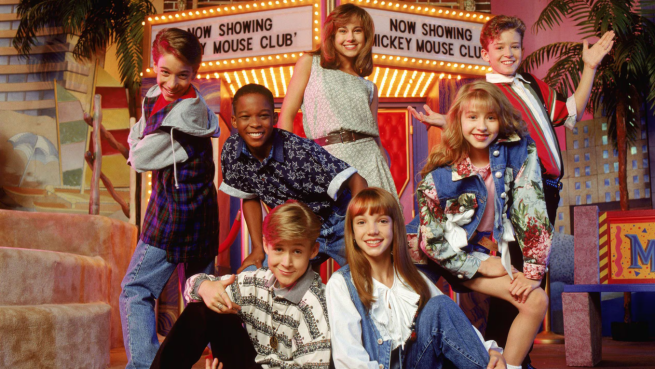
Today, Ryan is known for his iconic roles in The Notebook, La La Land, and Barbie, but many people forget he started his career as a child actor. He was part of a legendary reboot of The All-New Mickey Mouse Club that also featured future stars Britney Spears, NSYNC’s Justin Timberlake and JC Chasez, Keri Russell, and Christina Aguilera.
Gosling’s movie star superpower is his ability to succeed in so many different genres. He’s done dramas, comedies, action movies, romantic dramas and comedies, sci-fi, biopics, and musicals. And he takes risks, willing to play complicated and sometimes unlikable characters – he’s played a skinhead, a man in love with a life-size sex doll, bad boyfriends and husbands, criminals, and drug-addicts. And he’s still just Ken.
He’s also been able to find success without being swallowed by franchise machines (so far). He’s never played a superhero for Marvel or DC. And when he does dip into IP, he has great taste. He’s appeared in one legacy sequel, 2017’s Blade Runner 2049, which is considered one of the best legacy sequels of the last decade. And of course, Barbie is a new kind of IP and a huge success critically and commercially. Next year, he’ll finally join one of cinema’s most storied franchises when he stars in Star Wars: Starfighter, so we’ll see if his streak continues.
Another impressive mark on Gosling’s career is how reliably he’ll show up in a major hit movie every few years, each one bringing him to a new level of stardom. Millions of Millennials across the world first fell in love with him in 2000’s Remember the Titans. Even in a small supporting role, he made a big impact. He then became a household name and a romantic heartthrob four years later in The Notebook. Other big hits in his career include Crazy, Stupid, Love, Drive (both in 2011), The Big Short (2015), La La Land, The Nice Guys (both in 2016), Blade Runner 2049 (2017) and First Man (2018).
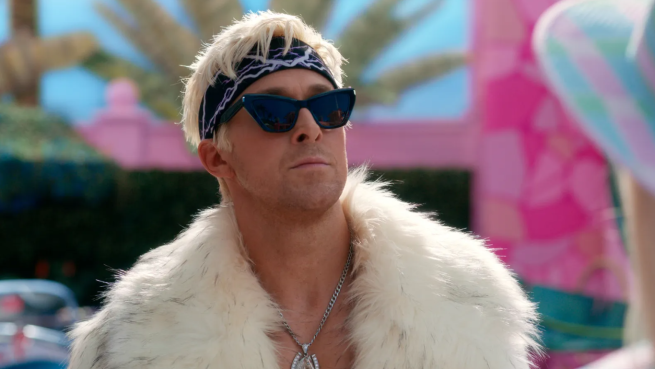
And then came Barbie. What Gosling did as Ken is extraordinary, nearly stealing the movie away from actual Barbie Margot Robbie. It’s genuinely astonishing how funny he is with every line of dialogue, every facial expression, every overreaction. Even though Ken was a supporting role, the success of the film made Gosling a worldwide superstar. His performance of “I’m Just Ken” at the Oscars that year brought the house down.
And in between those big Hollywood movies, Gosling has consistently made interesting moves with smaller, more character-driven movies like Half Nelson, which earned him his first Oscar nomination, Lars and the Real Girl, Blue Valentine, The Believer, and The Place Beyond the Pines.
Across his career, Gosling has proven he can be successful in many styles, but he’s developed two main modes of acting where he truly excels.
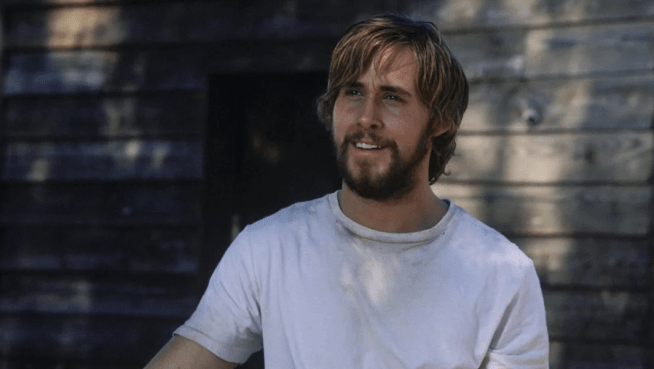
His first mode is the charismatic charmer. These characters are typically fast-talking, quick-witted, and effortlessly charming. This is his baseline comedy mode. This is Ken in Barbie, Grace in Project Hail Mary, parts of Noah in The Notebook, Sebastian in La La Land, and Jacob in Crazy, Stupid, Love (see also: Remember the Titans, The Big Short, The Nice Guys, The Fall Guy). Gosling has leaned into this mode more in the last few years and developed new variations, and it’s paid off quite well.
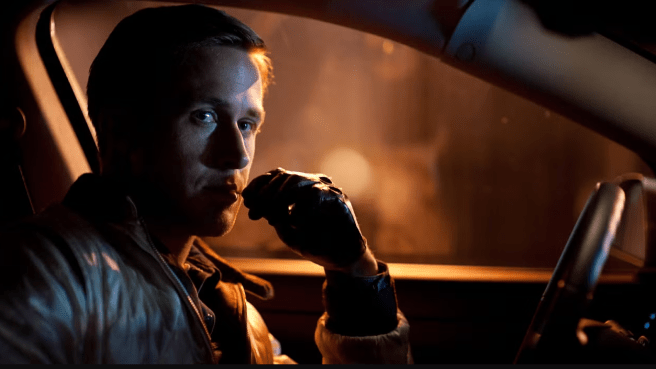
Gosling’s second mode is the quiet loner. These characters are stoic observers who don’t usually have much dialogue. But Gosling uses that to his advantage by using his physicality to tell the audience what he’s feeling, especially with his eyes. They’re the kind of characters that have a mystery and magnetism to them that make the audience desperate to know more. This is K in Blade Runner 2049, the driver in Drive, and Neil Armstrong in First Man (see also: The Place Beyond the Pines, Only God Forgives, Half Nelson).
Now, I’m obviously not the first person to sing Ryan Gosling’s praises. He’s been nominated for three Oscars, two BAFTAs, six SAG (Actor) Awards, and six Golden Globes, winning one. But in the era of franchises, IP, remakes, and reboots, Gosling has found success in Hollywood becoming a movie star the old-fashioned way. His performance in Project Hail Mary is one of the many reasons it’s my favorite movie of the year so far, and it solidified his place as one of my favorite actors. So for me, I’ll always have to see the new Ryan Gosling movie.


