
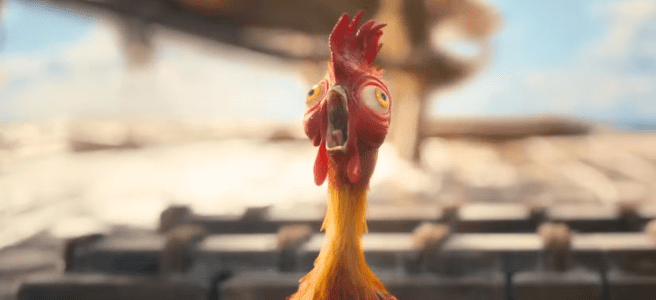
Disney recently released a teaser trailer for their live action remake of Moana, a movie that is less than 10 years old, has been one of the studio’s biggest successes of the 21st century, and just had a sequel released last year.
Why? Who wants this?
Well, we know the real answer, of course. It’s money. It’s always money. Five of Disney’s live action remakes have made over $1 billion, including this year’s Lilo & Stitch remake. So they’re making the company a lot of money, but at what cost? None of these remakes are improvements over the original animated films; instead, they unnecessarily stretch out the story for a longer runtime, spend too much effort trying to “fix” perceived problems with the originals, rarely do anything new with the story or characters, and look like cheap knockoffs.
Disney’s live action boom started in 2010 with Tim Burton’s Alice in Wonderland. At the time, this adaptation did feel like an original take on the story and used elements of the original Lewis Carroll stories that were not present in the 1951 animated version. Since then, Disney has remade or adapted 17 of their most iconic animated films into live action.
For a company founded on animation, Disney’s live action remakes are particularly disheartening in how they impact the studio’s legacy. There’s an idea that live action movies are “more important” or “more adult” than animation. But that is simply not true. Animation offers limitless possibilities. Whatever you can dream or imagine, you can create with animation. It’s an artform all on its own.
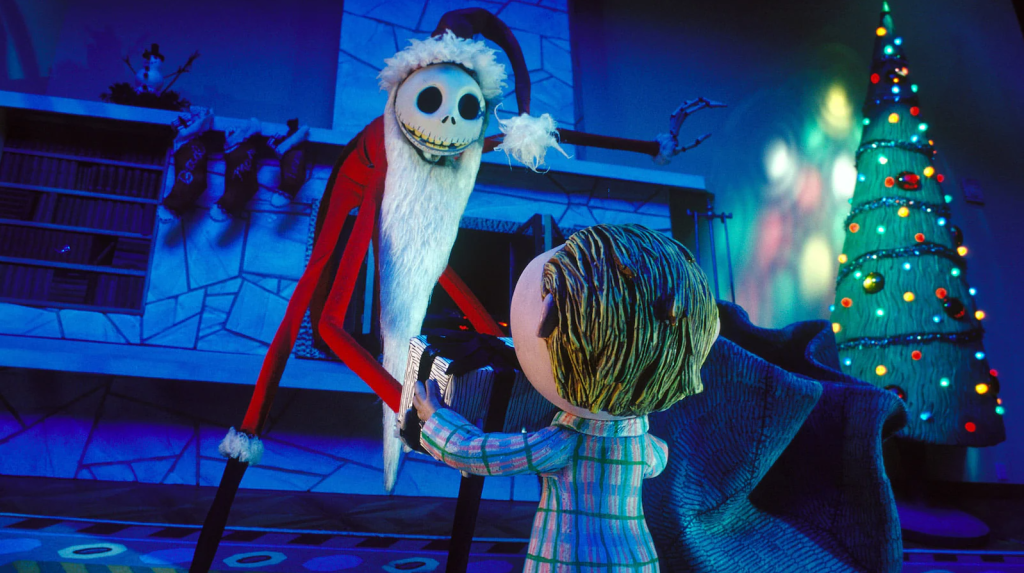

You couldn’t make something like The Nightmare Before Christmas or Fantastic Mr. Fox in live action. The unique qualities of stop motion animation bring those worlds to life in a beautiful way. Or think about the vibrant colors and landscapes from Studio Ghibli films like My Neighbor Totoro, Kiki’s Delivery Service, or Princess Mononoke. The animation style allows you to be transported to a place that is otherworldly.
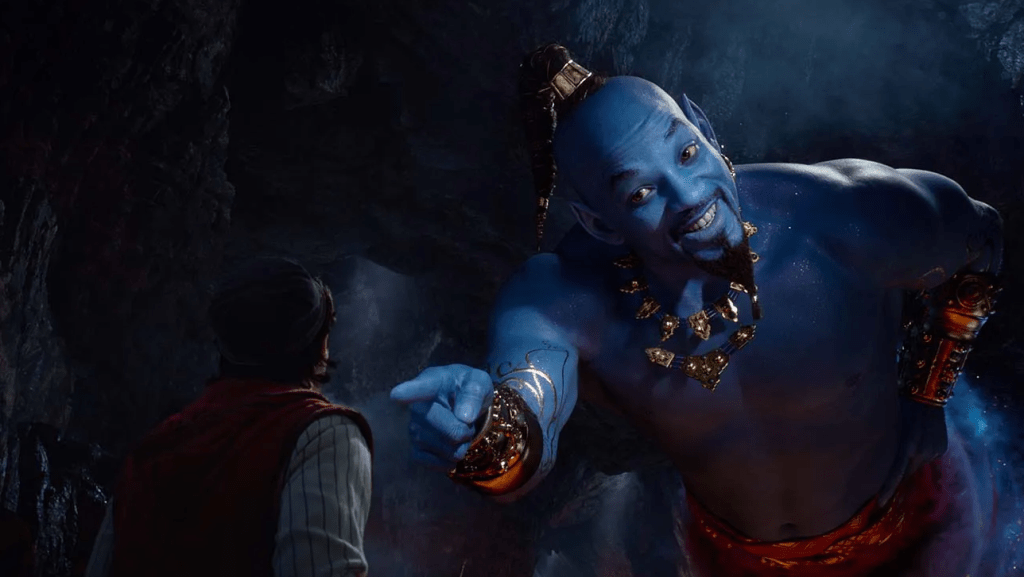
That quality and the vibrancy of animation is one of the most tragic casualties of live action remakes. Over the last 20 years or so, a common trend has emerged that encourages fantastical elements in stories to feel grounded. You can trace this concept back to Christopher Nolan’s Batman trilogy and the early days of the MCU. But the impact of that idea leads to the jarring difference between something like the animated Genie versus Will Smith’s live action version in Aladdin. One has an instantly recognizable style, tone, and shape, while the other looks like a guy painted blue.

That brings up another major issue with these remakes. The original stories were designed to be executed in animation. Which means there are so many elements that were designed without the limits of reality and therefore can’t be practically done in live action – like characters who are beasts, or aliens, or assorted household items, or talking dogs, or mermaids, or wooden puppets, and on and on. So to produce these elements in “live action,” they all come to life with computer graphics (computer animation) and visual effects.
Take the Pinocchio remake that came out a few years ago. Technically, yes, it is “live action” because it has real human performances from the likes of Tom Hanks, Cynthia Erivo and Luke Evans. But the main character – Pinocchio – is CGI, as is Jiminy Cricket, and Honest John the fox, and Figaro the cat, and Cleo the goldfish, and most of Cynthia Erivo as the Blue Fairy. If you’re going to do that much animating anyway (be it on paper or on a computer), why even bother making it live action at all?
And it looks like this trend isn’t going away. In this year’s Snow White, the seven dwarfs and a host of woodland creatures were all digitally animated, and three of Lilo & Stich’s main characters were CGI creations as well. And in the upcoming Moana, even Hei Hei the chicken is CGI. I’m not saying that all CGI characters are bad, but when so many of your main characters in your live action movie aren’t live action, it makes you question why you’re doing this in the first place.

But the “live action” Lion King remake is the worst of all. It’s an animated movie that Disney so desperately wanted you to believe was live action. That entire movie was created in computers, and it’s significantly worse than the 1994 animated version. It tried so hard to be photorealistic that it removed any facial expression from the characters, threw out character designs (all the lions look exactly the same), and desaturated the world into 50 shares of brown and beige.
Okay, I’ve been pretty rough on these live action remakes so far. But there are a couple that have been more successful than the rest. The first is 2015’s Cinderella, which works because it fills out the original story in a way that feels natural. In this version, Ella and the prince meet earlier and their connection is much stronger. Plus, it was made early into the live action boom, so it still looks like a real movie and not something that was filmed primarily on greenscreens, there’s not a ton of CGI, and the sets and costumes are excellent.


The second successful film is Christopher Robin, a semi-sequel to the original Winnie the Pooh stories. It owes a lot to Stephen Spielberg’s Hook in that Christopher Robin is now all grown up, lost his sense of whimsy, and has forgotten about his time in the Hundred Acre Wood. Pooh and his friends come into the real world to find Christopher and remind him how to find joy in his life again. Winnie the Pooh is always a delight and the style of humor in the movie is wonderful. Plus, it was a great choice to have Pooh and his friends designed like stuffed animals, so the CGI doesn’t feel so jarring.
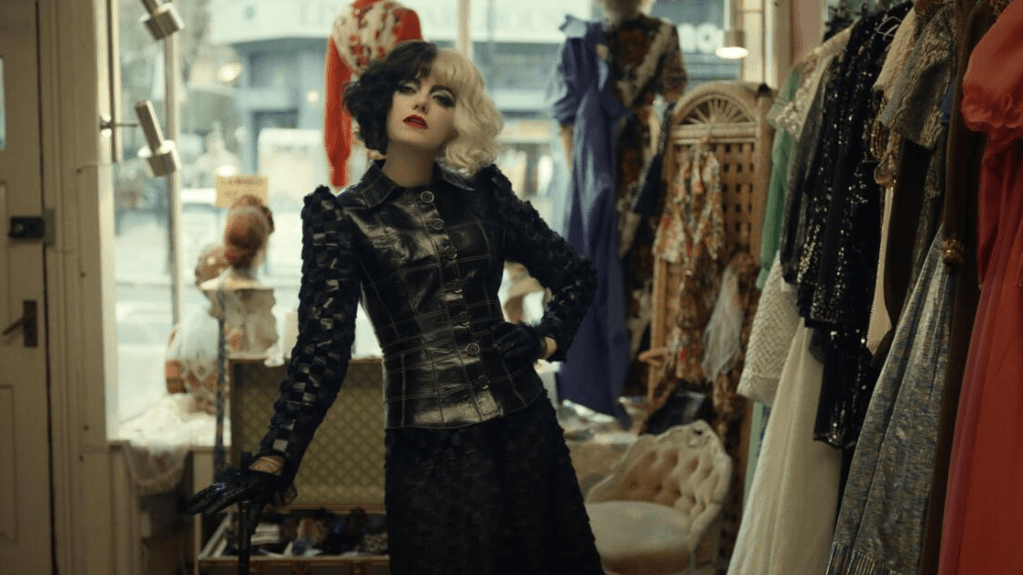
Finally, 2021’s Cruella manages to take an aspect of the original One Hundred and One Dalmatians and do something unique and different with the story. It follows in the legacy of Maleficent by centering the film on the villain and making her more sympathetic. What works in Cruella is the decision to put the character in the fashion world, so it becomes a riff on movies like The Devil Wears Prada as much as it is a prequel to One Hundred and One Dalmatians. The setting makes this story feel new and not so much of a remake. And it doesn’t hurt to have Emma Stone and Emma Thompson at the center of your movie.
I grew up in the 1990s during the Disney Renaissance, so I was lucky enough to grow up with arguably some of the greatest animated movies of all time. And I want kids today to have their own Lion King or Aladdin or Beauty and the Beast, not the reheated leftover versions that the live action remakes are serving. If Disney can stay bold and take risks on new stories, they can continue to build on recent successes like Encanto and continue to push the boundaries of animation and storytelling. Because animation is cinema; it’s a vital part of the film ecosystem and a foundational cornerstone of childhoods and creative voices across the world.

 Movies with Mitchell